Consult-Eco · Education, awareness and training
Environmental Education
Practical wildlife and life-science experiences for schools, children, adults, societies and community groups.
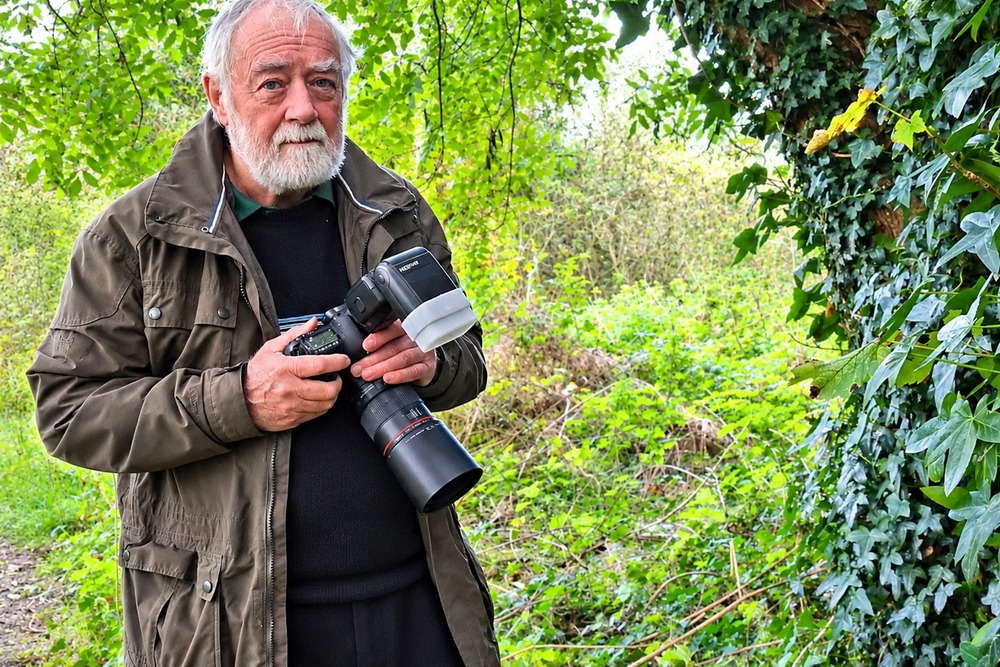
Learning through direct experience
Making wildlife and invertebrates accessible
Environmental education was one of the avenues I explored when developing Consult-Eco. The original service offered practical life-science and wildlife experiences for children and adults, with a particular emphasis on invertebrates — animals that are often overlooked, misunderstood or regarded simply as creepy-crawlies.
The approach was hands-on wherever possible. Rather than relying entirely on pictures or classroom explanation, sessions could bring living organisms and practical field activities directly to participants. The aim was to encourage curiosity, observation and a better understanding of the wildlife around them.
Schools and young people
Practical activities for children
The original education page listed a broad range of school-based activities.
- Experiential and educational sessions for primary and secondary pupils, including hands-on work.
- Practical outdoor collection and grouping of invertebrates.
- Opportunities to see, and in some cases handle, larger foreign invertebrates.
- Advice on using invertebrates and life-science experiences across the curriculum.
- Investigation of school grounds to explore their wildlife potential and, where required, survey of the wildlife already present.
- Advice on developing wildlife gardens, play areas and ponds.
- Preparation of worksheets for Key Stages 1–4, with tailored packs to support further classroom work.
Talks, walks and training
Education was not limited to schools. The original service included activities for adults and community groups.
- Talks and slide presentations for schools, groups, societies, Women's Institutes and associations.
- Guided walks with an invertebrate or wider natural-history emphasis.
- Training in invertebrate capture techniques and identification methods.
- Training for wardens and rangers in invertebrate ecology and habitat management for invertebrates.
- Moth-trapping sessions, either privately arranged or open to the public.
- Demonstrations of entomological techniques, including specimen setting.
- Preparation and setting of specimens for study, research, photography and artistic purposes.
- Displays and specimens for local shows and events.
To be expanded
Schools, events and memorable sessions
The original service list tells us what was offered; the next stage is to record what actually took place.